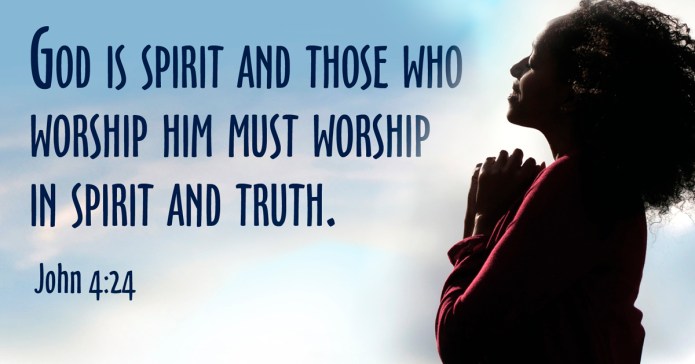
Beautiful in quiet reflection in the background, words of John 4:24 written across.

Positioned, Not Pressured: A Teachable Heart in a Shifting Season

Learning to Let God Shape What We Carry

There are things we carry quietly in our hearts that weigh more than we realize. Old disappointments. Private fears. Beliefs we formed in survival mode and never revisited. Over time, they become familiar, and familiarity can look like truth if we’re not careful. Many of us don’t resist God outright; we resist change. Not because we don’t love Him, but because we’ve learned how to live with what hurts, and letting it go feels risky. Yet the very things we clutch for security often keep us from the freedom God is offering.

Scripture gives us more than encouragement; it gives us instruction through real lives. The New Testament is filled with people who loved Jesus deeply and still struggled to fully understand what He was doing in them. Their stories weren’t preserved to shame us, but to teach us. God shows us the pattern again and again: growth comes through surrender, and blessing follows a heart that remains open and teachable. That truth is especially important in seasons like this one, where pressure is real and faith is being refined.

A Faith That Grows Through Restoration

Peter is one of the clearest examples of this tension. He was bold, passionate, outspoken, and deeply devoted to Jesus. He left everything to follow Him and believed he would never fall away. Yet when pressure came, fear spoke louder than conviction. Peter denied Jesus three times, not because he didn’t love Him, but because his faith hadn’t yet matured to withstand the weight of the moment. Still, Jesus wasn’t surprised. He didn’t revoke Peter’s calling or discard him for failing under stress. He already knew Peter’s heart was still becoming teachable.

After the resurrection, Jesus restored Peter gently, inviting him back into relationship rather than shaming him for failure. In John 21:15–17 (NLT), Jesus asks Peter three times, “Do you love me?”—not to condemn him for his denial, but to heal him. Peter had to face the place where fear had overridden faith, and he had to let truth replace shame. That restoration became the doorway to transformation. The same man who once denied Christ stood up boldly in Acts and preached with authority. His growth didn’t come from avoiding failure; it came from allowing God to address it honestly.

Growth Requires a Teachable Heart

That’s where many of us find ourselves now. We’ve walked with God a long time. We’ve prayed, served, believed, and endured. But some of us are tired, guarded, and set in patterns that once protected us but now restrict us. We default to “this is just how I am” instead of asking God who we are becoming. That posture may feel safe, but it isn’t sustainable. God is always moving us forward, and resistance to growth eventually creates strain in the soul.

God is deeply invested in our spiritual maturity. Ephesians 4:15 (NLT) tells us, “Instead, we will speak the truth in love, growing in every way more and more like Christ, who is the head of his body, the church.” Growth requires humility and hunger. It requires the willingness to be taught, corrected, and reshaped rather than insisting on staying the same. Scripture reinforces this posture in James 1:21 (NLT): “So get rid of all the filth and evil in your lives, and humbly accept the word God has planted in your hearts, for it has the power to save your souls.”

Positioned for What God Is Ready to Release

Many women sense that this season carries something new, something weighty, something full of promise. That awareness isn’t meant to pressure us or make us anxious. It’s an invitation to readiness. God’s blessings flow most freely where hearts remain soft, honest, and aligned with Him. He doesn’t force transformation; He responds to surrender. And He is far more committed to our wholeness than we are.

So pray often. Slow down enough to listen. Ask the Holy Spirit to search your heart and show you anything that no longer belongs in this season. When He reveals it, don’t shrink back. Trust that surrender is not loss; it is alignment. Repentance doesn’t close doors; it opens the right ones. And when we remain teachable before God, we find ourselves positioned—not pressured—for everything He has already prepared. ■

Scripture quotations marked (NLT) are taken from the Holy Bible, New Living Translation, copyright © 1996. Used by permission of Tyndale House Publishers, Inc., Wheaton, Illinois 60189. All rights reserved.

“Positioned, Not Pressured: A Teachable Heart in a Shifting Season”, written for DomesticAbuseAwareness.Org ©2026. All rights reserved. All done to the glory of God through Jesus Christ, our Lord!


Never Pray to Go Backwards

There are moments in the life of a believer when moving forward feels harder than staying where we are. Not because God has stopped moving, but because the unknown can feel more uncomfortable than our familiar stomping ground. Sometimes we confuse familiarity with safety and comfort with blessing. We look back on earlier seasons, remembering how God moved then, how provision seemed easier, how favor felt more visible, and we quietly wonder if those were our “best days.” But a God who is eternal does not peak in the past. He is the God of the impossible, and His nature is always forward-moving.

When God delivered the children of Israel from slavery, you would expect gratitude to be their first response. Instead, fear and discomfort made them long for what was familiar, even though it had once oppressed them. Exodus 14:11 (NLT) captures this moment clearly: “and they said to Moses, ‘Why did you bring us out here to die in the wilderness? Weren’t there enough graves for us in Egypt? What have you done to us? Why did you make us leave Egypt?’” Freedom required trust, and trust felt risky. Deliverance had moved them forward physically, but their hearts were still looking backward.

That same pull shows up in believers today. Before we fully step into God’s promises, the enemy often tempts us to romanticize former seasons, especially times when we felt blessed, favored, or secure. Regression feels safer than faith because the past is familiar. But the enemy understands something we sometimes forget: spiritual growth brings glory to God. He wants us stalled, longing for what God already delivered us from, because moving forward requires believing that our latter days will be greater than our former ones. Everything God has ahead of us is worth releasing what He already broke off of us.

Faith does not pray to go back. Faith sounds like, “Father, I don’t understand what’s happening, but I trust You.” Genesis 19:26 (NLT) gives a sobering warning: “But Lot’s wife looked back as she was following behind him, and she turned into a pillar of salt.” Looking back wasn’t just curiosity, it was attachment. The message is clear: Don’t cling to what God has called you to leave behind. There are some things from the past that we cannot carry into a new season. You can’t drive forward while staring in the rearview mirror. Memories may come with us, but dependence, identity, and expectation must move ahead with God.

This is why the apostle Paul speaks with so much clarity. Philippians 3:13–14 (NLT) tells us, “No, dear brothers and sisters, I have not achieved it, but I focus on this one thing: Forgetting the past and looking forward to what lies ahead, I press on to reach the end of the race and receive the heavenly prize for which God, through Christ Jesus, is calling us.” Paul understood that moving forward with God requires focus and intention. You can’t keep reaching for what God has ahead while holding tightly to what He’s already brought you through. Pressing forward means letting go of the need to replay old victories, old failures, or even old seasons where things felt easier or more blessed. God doesn’t ask us to live off yesterday’s grace. He invites us into fresh faith, deeper trust, and new territory. When God nudges you forward, don’t hesitate or keep looking back. Move with Him fully, trusting that what’s ahead will reveal His goodness in ways the past never could. ■

Scripture quotations marked (NLT) are taken from the Holy Bible, New Living Translation, copyright © 1996. Used by permission of Tyndale House Publishers, Inc., Wheaton, Illinois 60189. All rights reserved.

“Never Pray to Go Backwards”, written for DomesticAbuseAwareness.Org ©2026. All rights reserved. All done to the glory of God through Jesus Christ, our Lord! 
Healing Doesn’t Always Look Like You Thought

We often pray for healing expecting something neat—something quick, quiet, and painless. We might imagine the pain vanishing overnight and the broken places snapping back together like they never fell apart. But God’s healing rarely follows the script we write. It runs deeper. And sometimes, it brings to the surface things we didn’t even realize we buried.

The process starts when we stop hiding. And that’s a big one. Let’s face it, it’s a lot easier to assume that God is delaying the breakthrough—blessing—restoration—rather than facing that our fears are blocking us from receiving the treasure internally. And make no mistake, internally is where it hits first. All that business about creating a landscape for the blessing to land? That’s real. That’s truth. And we have to be really clear about this.

We can’t heal from what we refuse to acknowledge. It takes courage to sit before God and say, “This still hurts,” or “I thought I was over that, but I’m not.” David got honest with God, and that’s where his healing began. He said in Psalm 32:5 (NLT), “Finally, I confessed all my sins to you and stopped trying to hide my guilt… And you forgave me! All my guilt is gone.” Restoration begins when we stop pretending and start allowing God into the places we’d rather ignore.

The hardest part is unlearning the timelines we gave ourselves. We tell ourselves things like, “I should be past this by now,” or “I can’t still be crying over that.” But God is not bound to our deadlines. His timing is perfect, even when it feels slow. Ecclesiastes 3:11 (NLT) reminds us, “Yet God has made everything beautiful for its own time.” Your healing is not on pause. It’s just unfolding on heaven’s schedule. And even if you don’t see change on the surface, God is still moving in the hidden places.

Real healing touches the soul before it ever reaches the surface. God isn’t only concerned about what happened to you—He’s also healing what happened inside of you. That’s why the healing process can feel so unfamiliar. It’s not just about fixing what’s broken—it’s about becoming who He designed you to be. Psalm 147:3 (NLT) tells us, “He heals the brokenhearted and bandages their wounds.” That’s a promise you can rest in, even when things feel heavy. Even when you don’t feel strong.

And let’s be honest—God’s process can stretch us. We’re often blind to the things we need to see. We think we can continue year after year being the person we’ve always been—handling life the way we’ve always handled it. Recognizing we have to show up differently is no joke. Not only do we have to acknowledge the fear that’s been hiding out in our secret places, we have to confront it.

Our first inclination is to say “Fear? I don’t have it.” The reality is that fear has many forms, and all pain and darkness emanate from it. It’s the thing that doesn’t allow us to have real and lasting peace. It can masquerade as confidence while it burrows deeper into our core. Sometimes it sounds like control. Other times it hides behind a busy life or a smile that’s been rehearsed too well. But underneath the performance is a heart that’s bracing itself—waiting for the next blow, unsure if it can handle another disappointment.

God didn’t call us to live like that. In fact, 2 Timothy 1:7 (NLT) tells us plainly, “For God has not given us a spirit of fear and timidity, but of power, love, and self-discipline.” That means fear doesn’t come from Him. And if it didn’t come from Him, we shouldn’t keep accepting it like it belongs in our story. It doesn’t. And when we see it for what it is, we stop resisting and start repenting—praying—being monumentally grateful that we were once blind but now we see.

It can feel uncomfortable and unfamiliar. But just because it feels strange doesn’t mean it’s not sacred. In fact, the very things you think are detours might be part of the path God is using to set you free. Isaiah 43:19 (NLT) says, “For I am about to do something new. See, I have already begun! Do you not see it?” He’s doing something new in you—even if it’s quiet, even if it’s slow, even if it’s not what you expected.

So give yourself grace. Stop demanding perfection from yourself while you’re in the middle of being transformed. You’re not weak because you’re still healing—you’re brave because you’re still laying bare before Him. God isn’t asking you to have it all together. He’s asking you to trust Him with the pieces. That’s why Paul could write in 2 Corinthians 12:9 (NLT), “Each time he said, ‘My grace is all you need. My power works best in weakness.’” So let His power hold you up when your own strength runs out.

No, healing doesn’t always look like you thought it would. But that doesn’t make it any less holy. Sometimes, the most powerful breakthroughs happen when you feel the weakest. And sometimes, the most beautiful restoration is born out of what felt like the hardest parts of the journey. So keep walking. Keep surrendering. Let God finish what He started in you. Because on the other side of this, you’ll look back and see—He wasn’t just healing you. He was transforming you into who He created you to be in Christ—stronger, full of grace, and free. ■

Scripture quotations marked (NLT) are taken from the Holy Bible, New Living Translation, copyright © 1996. Used by permission of Tyndale House Publishers, Inc., Wheaton, Illinois 60189. All rights reserved.

“Healing Doesn’t Always Look Like You Thought”, written for DomesticAbuseAwareness.Org ©2026. All rights reserved. All done to the glory of God through Jesus Christ, our Lord!
From Shattered to Surrendered

How God Rebuilds What Life Broke

Sometimes life breaks you, and it’s not in a graceful, soft-tears kind of way—but in the real, gut-wrenching way. It leaves you picking up pieces you don’t even recognize anymore. You sit in the ruins of what was, whispering prayers you’re not even sure you believe. But even in the middle of all that pain, God is not far off. He’s not waiting for you to pull it together—He’s close. Psalm 34:18 says, “The Lord is close to the brokenhearted; he rescues those whose spirits are crushed.” That’s not just a comforting thought—it’s a promise. He draws near to us when our hearts are breaking. He steps into the ache, not around it. He doesn’t need your strength to start His healing. He just needs your honesty.

But before the healing comes, there’s usually a fight. We don’t always talk about the wrestling, but it’s real. Wrestling with grief, loss, and unanswered prayers is no joke. When you combine that with the fear that maybe this time things won’t turn around, a deep sadness can set in like a huge stone sinking in your chest.

And sometimes we even wrestle with God—not in rebellion, but in desperation. Jacob did it too. And in that holy struggle, Genesis 32:26 (NLT) tells us he said, “I will not let you go unless you bless me.” That’s what surrender starts to sound like. It’s not passive or polished—its persistent, raw, and real. You can bring your questions, your confusion, your frustration to God. He can handle it. And often, it’s in that tension—when you feel as though you might break into a thousand pieces—that transformation begins.

Letting Go So God Can Build

Eventually, the fight gives way to surrender. Not the kind that feels like giving up—but the kind that feels like finally breathing. Like letting your shoulders drop. Like whispering, “God, I don’t know what’s next, but I trust that You do.” That kind of surrender isn’t weak—it’s wise. It’s what happens when your will finally bows to His love. 1 Peter 5:7 (NLT) says, “Give all your worries and cares to God, for he cares about you.” This isn’t only the cares you’ve already figured out. It’s not just the ones that look “neat enough” for prayer. God wants us to bring all cares to Him, recognizing that there’s nothing He can’t handle.

Surrender sounds like, “I can’t carry this anymore.” But the truth is—we were never supposed to. That’s the holy shift we need to make in mind and heart. It’s going from trying to grip so tightly to control—to letting God take the lead. We go from pushing and striving to finally resting in the hands that shaped us.

We must trust—with everything in us—that our Heavenly Father doesn’t leave surrendered things broken. He rebuilds. He restores. He renews. Not always the way we imagined, but always with purpose. Joel 2:25 says, “I will give you back what you lost to the swarming locusts.” That’s not just restoration—it’s redemption. God specializes in what feels impossible. He rebuilds what life tried to tear apart. But His rebuilding isn’t rushed. It’s sacred. Brick by brick. Moment by moment. Whether it happens in the quiet or through community, His work is always done in love. And the beautiful thing about letting Him rebuild is that He doesn’t just restore what was—He creates something better than you ever knew to ask for. ■

Scripture quotations marked (NLT) are taken from the Holy Bible, New Living Translation, copyright © 1996. Used by permission of Tyndale House Publishers, Inc., Wheaton, Illinois 60189. All rights reserved.

“From Shattered to Surrendered”, written for DomesticAbuseAwareness.Org ©2026. All rights reserved. All done to the glory of God through Jesus Christ, our Lord!

When Life Happens

Hebrews 12:11 (NLT) tells us: “No discipline is enjoyable while it is happening – it’s painful!  But afterward there will be a peaceful harvest of right living for those who are trained in this way.” This verse informs us that God is very much aware that discipline isn’t fun; it can be uncomfortable and even painful. However, the reality is that discipline is a necessary and unavoidable part of the Christian life. During the process, we might be tempted to have a pity party or believe that others have it better and that the grass is greener on the other side. Thinking this way might offer temporary relief, but it will not change the fact that discipline opens the door wide to growth in Christ. It’s crucial that we view it this way.  

God’s discipline might lead us to fall back into old habits and questions like, “What did I do to make God angry with me?” We might revert to attitudes that suggest God is punishing us, but this is not the truth. Regarding God’s unconditional love for us, 1 John 4:18 (NLT) says, “Such love has no fear, because perfect love expels all fear. If we are afraid, it is for fear of punishment, and this shows that we have not fully experienced his perfect love.” God’s love drives out fear, and if we are still afraid, it is due to our worries about punishment. By loving and honoring our Heavenly Father, we can move beyond these fears and trust in His perfect love.

Although we might have witnessed or endured domestic violence and abuse from childhood well into adulthood, that is not a space we should call home. Domestic violence and abuse is not God’s discipline, make no mistake about that. Living in fear is never where God wants us to be. Instead, He wants us to live continually in His love, protection, and care. He doesn’t inflict pain on us. He is a loving Father who disciplines His kids because He cares about us and wants us to lead fulfilling lives. Psalm 103:8-12 (NLT) beautifully expresses this: “8 The LORD is compassionate and merciful, slow to get angry and filled with unfailing love. 9 He will not constantly accuse us, nor remain angry forever. 10 He does not punish us for all our sins; he does not deal harshly with us, as we deserve. 11 For his unfailing love toward those who fear him is as great as the height of the heavens above the earth. 12 He has removed our sins as far from us as the east is from the west.”

1 John 1:5 (NLT) declares, “This is the message we heard from Jesus and now declare to you: God is light, and there is no darkness in him at all.” God doesn’t cause our troubles and tribulations, but through them, He opens our eyes. We may have been walking around with blinders, unable to see the goodness of His faithfulness and promises, or to be guided along the path of our purpose in Christ. We must recognize that through our brokenness and pain, He illuminates the victory that faith in Him will ultimately win for us.

Life happens—we make mistakes, and sometimes things go terribly wrong. Facing these situations is never easy, but it’s often in these challenging moments that God’s light shines the brightest. They offer us a clearer view of the times where we didn’t trust Him as wholeheartedly as we should have. It’s important to understand that domestic violence, abuse, and fear are not signs of divine discipline; they’re just harsh realities that don’t reflect God’s love and Will for us. Our true home is with our Heavenly Father, and when life happens to throw obstacles our way, we can move through them by trusting His sovereignty, grace, and power.

In Isaiah 43:19 (NLT), He said, “For I am about to do something new. See, I have already begun! Do you not see it? I will make a pathway through the wilderness. I will create rivers in the dry wasteland.” Even in the toughest situations, God is at work, creating new paths and refreshing our dry places with His promise of restoration and hope. When we’re in the midst of life’s struggles, it’s easy to feel lost or abandoned. But this verse assures us that God is not only aware of our situation, but He is also creating new possibilities where we see none. Let’s trust Him with all our hearts, minds, and souls. He’s greater than any challenge we face, and if we stay close to Him, He’ll guide us through the wilderness into our eternal home of peace, love, and joy. So, hold firm to this promise, knowing that God’s transformative power is working even in our darkest moments to bring forth a future filled with His abundant grace and blessings. ■

Scripture quotations marked (NLT) are taken from the Holy Bible, New Living Translation, copyright © 1996. Used by permission of Tyndale House Publishers, Inc., Wheaton, Illinois 60189. All rights reserved.

“When Life Happens”, written for DomesticAbuseAwareness.Org ©2025. All rights reserved. All done to the glory of God through Jesus Christ, our Lord!

Living in Unfamiliar Territory

Fear and anxiety can be debilitating human experiences, and our Heavenly Father has given us the remedy in Isaiah 41:10 (NLT): “Don’t be afraid, for I am with you. Don’t be discouraged, for I am your God.  I will strengthen you and help you. I will hold you up with my victorious right hand.” No matter the challenges we face, the presence of God provides a security and peace that surpass our understanding. However, there are many people going through really tough storms in their lives, and they don’t know that they can lean on God. A new friend, Elaine, was in this place not long ago and shared with me the hurtful situation she was dealing with.

Dreaming of having a family since she was a child, Elaine was ecstatic when she discovered she was pregnant with twins. They were her world, and their needs always came first. If you had asked her husband, he’d argue that he was a very distant fourth or fifth on her priority list. After 13 years of complaining about what he considered a loveless marriage, Elaine came home one day after work and saw a note on the bedroom nightstand. It read, “I’m done. You won’t have me around anymore, and maybe you’ll understand how I’ve felt the last 13 years.” She acknowledged that her husband was a good father and provider but admitted that they had stopped seeing each other as man and wife years ago.

Elaine is shocked at how devastating it’s been since he left. It’s rocked her to her core, she said. Her husband took care of everything, and she may have taken this for granted. She acknowledged that she’s never known what it means to totally lean on God as the Source of all blessings. She asked me, “How do I ask God for help?” I suggested she begin by praying openly, and share her fears, confusion, and hopes with Him. I told her that asking for help is about being honest and vulnerable with God. It starts with acknowledging her need for His support and guidance. I reminded her of Philippians 4:6-7 (NLT): “Don’t worry about anything; instead, pray about everything. Tell God what you need, and thank him for all he has done. Then you will experience God’s peace, which exceeds anything we can understand. His peace will guard your hearts and minds as you live in Christ Jesus.”

1 John 4:15 (NLT) tells us, “All who confess that Jesus is the Son of God have God living in them, and they live in God.” Our Heavenly Father is home for us. He’s our Creator, and when we accept the salvation He offers through Jesus Christ, we begin to live in Him. But, when we put children, spouses, family, and friends above God, we lose sight of the One who gave us these blessings. This is the equivalent of living in unfamiliar territory, one that’s outside the realm of God’s Will. Life can quickly become overwhelming when our priorities are out of order in this way.

Jesus tells us in Matthew 6:33 (NLT), “Seek the Kingdom of God above all else, and live righteously, and he will give you everything you need.” This means making God our top priority and trusting Him to take care of everything else. This focus on God helps us keep our lives in balance and ensures that we remain within His guiding presence and purpose.

Understanding that God is all-powerful, all-knowing, and sovereign helps us see that He is unlike anyone or anything else; He’s in a class all by Himself and no one compares. Psalm 115:3 (NLT) says, “Our God is in the heavens, and he does as he wishes.” Acknowledging the truth of His overwhelming brilliance, holiness, and perfection is the starting point for a deep relationship with Him. By keeping Him first in our lives, we align our hearts and minds with His plan, and everything else will fall into its rightful place.

Romans 8:28 (NLT) tells us: “And we know that God causes everything to work together for the good of those who love God and are called according to his purpose for them.” This is God’s promise to us, but it hinges on our faith in Him and our trust in His Word. Elaine experienced firsthand how quickly life can change when our priorities and focus drift from God’s Will. Her situation shows how extremely important prayer and faith are, and how crucial it is to keep God at the head of our lives. When we fully get on board with His purpose, even when the storms are raging and we’re dealing with the most challenging thing we’ve ever encountered, we can find peace in God. We can rest in Him, trusting that He is working everything together for our good, because this is what He promises to do.■

Scripture quotations marked (NLT) are taken from the Holy Bible, New Living Translation, copyright © 1996. Used by permission of Tyndale House Publishers, Inc., Wheaton, Illinois 60189. All rights reserved.

“Living in Unfamiliar Territory”, written for DomesticAbuseAwareness.Org ©2025. All rights reserved. All done to the glory of God through Jesus Christ, our Lord!
I Won’t Stop Trusting God

Life certainly presents its share of challenges, something I fully realized one evening when I had a painful argument with my now ex-husband. As usual, he was settled into his lounge chair when I came home from work, ready to pick a fight. Silence and avoidance might not seem like abuse, but when you’re married and living together with children, it can be one of the most hurtful forms.

In times like these, I cling to the promise of Christ in John 16:33 (NLT): “I have told you all this so that you may have peace in me. Here on earth you will have many trials and sorrows. But take heart, because I have overcome the world.” This journey through life is often marked by trials and sorrows, especially in our most significant relationships. The hateful behaviors, passive aggression, and spitefulness can cut like a knife. Despite the trials, we can trust that God’s peace and strength will guide us through these storms, and He never fails.

As a communicator, I find it incredibly difficult to remain silent for long periods, so enduring my husband’s intentional silence was absolute torture. His refusal to speak was his way of punishing me for something he didn’t like. While I didn’t think much of it during our dating years, his behavior ultimately over-burdened our marriage. My opinions, our differences, and even the air I breathed seemed to annoy him at times. Rather than talking about it, he stopped speaking to me for months on end. Those were some of the loneliest times of my life. I wanted desperately to engage with my partner, but he seemed to value punishing me more than loving me. It ended up being a very dark place, and this is not want God wants for anyone.

James 1:2-3 (NLT)is a verse that really hits home: “Dear brothers and sisters, when troubles of any kind come your way, consider it an opportunity for great joy. For you know that when your faith is tested, your endurance has a chance to grow.” True growth begins during challenging times. It’s through these trials that we learn to trust God. When in your heart you desire nothing more than to love and be loved by your spouse, being mistreated by them a spouse is shockingly hurtful. You ask the Lord, “How much more must I endure?” But it is precisely during these moments of testing that our faith is strengthened, and our relationship with God deepens.

In these moments of struggle, it can be helpful to remember that every trial is an opportunity for transformation. As we navigate the difficulties in our relationships and personal lives, we are invited to lean into God’s grace and find strength in His promises. Each challenge can become a steppingstone towards greater endurance and understanding. Philippians 4:13 (NLT) reveals, “For I can do everything through Christ, who gives me strength,” By relying on God’s strength, we can face problems, disappointments, and stressful situations with greater resilience. He will light the path to greater blessings and hope if we resolve in our minds and hearts, “I won’t stop trusting God!” Through our faith in Him, we’ll discover that even in the midst of pain, God is with us, fueling our hope and renewal.

As we push through these tough times, remember that every struggle is a chance for growth and a step closer to something better. Each challenge helps us lean into God’s strength and rediscover the extent to which He’s empowered us through the Holy Spirit to overcome every obstacle. Keep pushing forward with faith, knowing that every trial is shaping you for greater things. Trust that God’s got your back, lighting the way even when the path seems unclear. These moments are building something amazing in you. In the end, you’ll come out stronger, clinging more tightly to God, and ready for the blessings that lie ahead. ■

Scripture quotations marked (NLT) are taken from the Holy Bible, New Living Translation, copyright © 1996. Used by permission of Tyndale House Publishers, Inc., Wheaton, Illinois 60189. All rights reserved.

“I Won’t Stop Trusting God”, written for DomesticAbuseAwareness.Org ©2025. All rights reserved. All done to the glory of God through Jesus Christ, our Lord!

God’s Love is Your Refuge

When the person you love inflicts pain—whether physical or emotional—where do you turn for solace? In those moments of hurt and confusion, find refuge in God. Trust that His unwavering love will not falter. It is His love, grace, and mercy that will carry you through the darkest times. The psalmist encourages us in Psalms 34:8 (NLT) “Taste and see that the Lord is good.  Oh, the joys of those who take refuge in him!” This verse invites us to personally experience the goodness of God and assures us that those who seek shelter in Him will find joy. While others may offer advice on how to trust God, the experience of faith is deeply personal and unique. It’s something you must witness and taste for yourself to truly understand.

Even the most seasoned Christians face challenges, but through steadfast trust in God, we find the strength to triumph over seemingly insurmountable obstacles. As Romans 8:37 (NLT) declares, “No, despite all these things, overwhelming victory is ours through Christ, who loved us.” The trials we endure are not without purpose; they often lead us to a deeper understanding of His love.

Many people, including myself, face struggles that can feel overwhelming. Yet, there is a more effective way to navigate these challenges without separating ourselves from faith in God’s love and His power to help us. No problem is too big for Him to solve, but our faith must be firmly anchored in Him. I’ve learned that clinging too tightly to fears or past hurts can stifle our spiritual and personal growth. We can become so engulfed in our disappointment that we lose sight of the path to redemption and renewal. By trusting in God’s ability to guide us, we allow His grace to clear the way, helping us to overcome obstacles and find a path toward healing and transformation.

Faith in God opens our eyes to the light of Jesus Christ. Consider the promise of 1 Peter 5:7 (NLT), which says, “Give all your worries and cares to God, for he cares about you.” By letting go and placing your trust in God, you open yourself up to His transformative power. When you surrender your fears and hurts to Him, you allow His love to guide you toward a better tomorrow, one where His peace and grace can illuminate your path forward.

Often, what we’re missing is this very trust. The darkness of our situations can overwhelm our senses, leaving us feeling stuck and consumed by emotions and thoughts that cloud our clarity. We may feel disconnected, struggling with confusion and frustration. Yet, by turning our concerns over to God, we invite His light into our lives, clearing the way for healing and renewal.

It doesn’t happen overnight. Transformation and the strengthening of our relationship with God is a journey, and it takes time to see the fruits of our trust in Him. But He never leaves or forsakes us, and with each step forward, you are moving closer to the peace and clarity He promises. Remember, His love is your refuge, providing guidance and support even when the path seems unclear. Trust in His timing and allow His love to lead you. He will turn your disappointment into the breakthrough that you so deeply desire for your life. ■

Scripture quotations marked (NLT) are taken from the Holy Bible, New Living Translation, copyright © 1996. Used by permission of Tyndale House Publishers, Inc., Wheaton, Illinois 60189. All rights reserved.

“God’s Love is Your Refuge”, written for DomesticAbuseAwareness.Org ©2025. All rights reserved. All done to the glory of God through Jesus Christ, our Lord!

A Collapsed House

In Job 1:18-19 (NLT), there’s this shocking moment where a messenger comes to Job with some heart-wrenching news: “Your sons and daughters were feasting in their oldest brother’s home. Suddenly, a powerful wind swept in from the wilderness and hit the house on all sides. The house collapsed, and all your children are dead. I am the only one who escaped to tell you.”  Imagine the horror: a home reduced to rubble; children lost in an instant. It’s a nightmare that strikes right at the core of our sense of safety and stability.

When a home falls apart, it’s not just a physical collapse but an emotional one that shakes the foundation of our being. It also means a big hit to our sense of safety and stability. For many of us, this kind of disaster isn’t just a distant worry—it’s something we worry about all the time.  Maybe your husband has threatened to leave, and you lie awake each night dreading the moment you come home to find their stuff gone. Or you might be juggling everything on your own, trying to take care of your family while feeling completely worn out. Bills keep piling up, and it feels like one more setback could be the tipping point that makes everything crumble. In these moments, you might feel like the “house” of your life is on the verge of collapse, much like Job’s home.

Whether it’s the fear of losing a loved one, the strain of being the sole provider, or the relentless pressure of mounting bills, these scenarios bring up the same deep-seated anxiety. Dealing with these challenges, we’re constantly trying to keep our lives from falling apart, feeling like we’re right on the edge of our own breakdown. But Proverbs 18:10 (NLT) reminds us, “The name of the Lord is a strong fortress; the godly run to him and are safe.” In these moments of overwhelming stress, we can find comfort and refuge in God. He’s our safe place, a stronghold that can help us weather any storm.

Admittedly, it can be challenging to believe this when you’ve been shouldering everything for those you love for so long. It’s easy to feel worn out and discouraged, especially when you’ve carried the weight of responsibilities, sacrifices, and fears on your own. At times, it may seem like there’s no end in sight, and the idea of finding refuge and strength can feel distant and unreal. Yet, even in the midst of exhaustion and frustration, God’s promises hold true.

When you’re overwhelmed and feel like you’ve reached your limit, remember that you’re not alone in this. Matthew 11:28 (NLT) offers a comforting invitation: “Come to me, all of you who are weary and carry heavy burdens, and I will give you rest.” Turning to God in these moments of struggle can bring renewed hope and strength, reminding us that there is a powerful source of support and comfort available, even when everything seems like it’s on the verge of collapse.

Our Heavenly Father doesn’t cause the painful situations in our lives, but He knows we will face them. 2 Peter 2:9 (NLT) tells us, “So you see, the Lord knows how to rescue godly people from their trials, even while keeping the wicked under punishment until the day of final judgment.” This means that, even in our most challenging moments, God is fully aware of our struggles. He has the power to transform our difficulties into opportunities for growth and beauty. All power is in His hands, and He is both willing and able to guide us through our trials, turning what seems like rubble into something stronger and more magnificent.■

Scripture quotations marked (NLT) are taken from the Holy Bible, New Living Translation, copyright © 1996. Used by permission of Tyndale House Publishers, Inc., Wheaton, Illinois 60189. All rights reserved.

“A Collapsed House”, written for DomesticAbuseAwareness.Org ©2025. All rights reserved. All done to the glory of God through Jesus Christ, our Lord!

Shift from Reaction to Response

In 2 Corinthians 12:9-10 (NLT), our Heavenly Father gave the Apostle Paul a powerful truth: “9 Each time he said, “My grace is all you need. My power works best in weakness.” So now I am glad to boast about my weaknesses, so that the power of Christ can work through me. 10 That’s why I take pleasure in my weaknesses, and in the insults, hardships, persecutions, and troubles that I suffer for Christ. For when I am weak, then I am strong.” This passage reassures us that even in our darkest moments—whether we face physical, mental, emotional, or spiritual struggles—these are opportunities for God’s strength to shine through. Our vulnerabilities are not just burdens but opportunities for God’s power to manifest in our lives.

Life’s unpredictability can bring us to our knees, but as God’s children, He has equipped us with the authority of Jesus Christ to overcome any challenge victoriously. By staying rooted in God’s Word, we can navigate life’s storms with confidence and resilience, turning potential setbacks into opportunities for spiritual growth. To make this happen, we must have faith in God. We shouldn’t give in to doubt when things get tough because God has promised to help us. No matter the severity of the difficulty, everything will be resolved when we remain committed to having faith in our Heavenly Father.

When we’re going through it and we feel like our backs are against the wall, we might think that our Heavenly Father has forsaken us. Some people who haven’t learned more about Him through His Word might even blame God for their misery, believing He is punishing them. But this is not true. God does not cause bad things to happen to us. He is a God of peace and has given us the Holy Spirit through Jesus Christ so that His peace can continually dwell in our hearts.

Rather than focusing only on the problem, Isaiah 26:3 (NLT) encourages us to shift our thoughts to God: “You will keep in perfect peace all who trust in you, all whose thoughts are fixed on you!” We need to focus our minds on God’s goodness, mercy, and grace. Instead of letting darkness lead us into regression, we should recognize that we can rise higher in Christ. By growing in faith and spiritual maturity, we gain a new perspective—one that transforms worry into joy in the Lord.

Hebrews 11:6 (NLT) encourages us to cultivate thoughts and emotions that help us please our Heavenly Father. The verse states, “And it is impossible to please God without faith. Anyone who wants to come to him must believe that God exists and that he rewards those who sincerely seek him.” In times of adversity, our natural tendency is to react impulsively, often driven by fear, frustration, and anxiety But instead of letting those negative emotions take over, this verse challenges us to respond with faith. Rather than letting fear control our actions, we’re called to trust in God and believe that He’s got our back. By choosing faith over fear, we stay aligned with God’s plan and open ourselves up to His guidance and blessings.

In practical terms, this means actively shifting our focus from problems to God’s promises. Instead of dwelling on what might go wrong, we can remind ourselves of God’s past faithfulness and His assurances for the future. This shift in perspective not only helps us manage stress and anxiety but also strengthens our relationship with God. When we make a habit of responding with faith, we’re not just coping with challenges; we’re growing spiritually and building resilience. Our faith becomes a powerful tool for navigating life’s ups and downs, transforming obstacles into opportunities for deeper connection with God and His purpose for us.

In real terms, this means shifting our focus from what’s going wrong to what God has promised. Rather than stressing about potential problems, we should remind ourselves of God’s past help and His promises for the future. This change in perspective not only helps us deal with stress but also strengthens our communion with God. When we make faith our first response, we’re not just handling tough times better—we’re also growing spiritually and becoming stronger. Our faith becomes a game-changer for navigating life’s challenges, turning obstacles into chances for deeper spiritual growth and, most importantly, forging a stronger relationship with God.■

Scripture quotations marked (NLT) are taken from the Holy Bible, New Living Translation, copyright © 1996. Used by permission of Tyndale House Publishers, Inc., Wheaton, Illinois 60189. All rights reserved.

“Shift from Reaction to Response”, written for DomesticAbuseAwareness.Org ©2025. All rights reserved. All done to the glory of God through Jesus Christ, our Lord!